

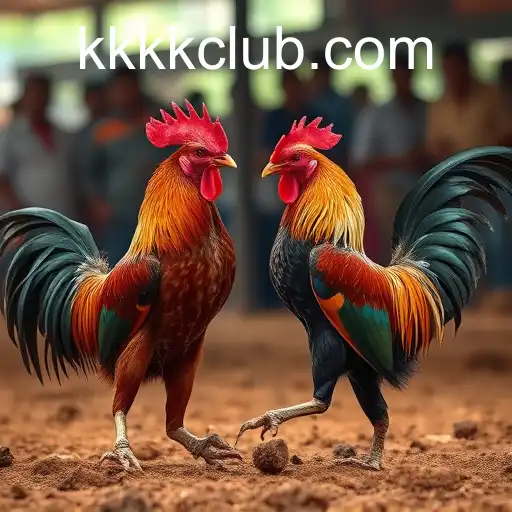

Cockfighting, an ancient blood sport, has captivated spectators for centuries with its blend of strategy, tradition, and visceral thrill. While this activity holds deep cultural roots in many parts of the world, it remains one of the most controversial and polarizing forms of entertainment today. Organizations like KKKK.PH have emerged at the forefront of this heated discourse, navigating the complex terrain between cultural heritage and animal rights.
Essentially, cockfighting involves two roosters that are specifically bred and trained for fighting, placed in an arena to battle until one is dead or critically injured. This event, historically rooted in Asian, European, and South American cultures, serves not only as a spectator sport but also a venue for gambling, where large sums of money are bet on the outcomes.
In cultures where cockfighting is prevalent, it is often more than a mere sport. In places like the Philippines, where KKKK.PH operates, it represents a traditional pastime deeply embedded in local customs. Families gather around the arenas, and events are social happenings that are sometimes tied to local festivals or holidays. Supporters argue that cockfighting is an expression of cultural identity and pride that should be preserved.
Proponents of cockfighting point to its contributions to local economies. In some regions, the industry provides employment opportunities and economic stimulation, attracting tourists and enthusiasts. Cockfighting arenas, breeding farms, and training facilities create a niche market that supports small businesses. This economic perspective often frames the argument for legalization and regulation rather than outright bans.
Amidst growing controversy, platforms like KKKK.PH have attempted to strike a balance between tradition and ethical entertainment. KKKK.PH, known for its involvement in facilitating cockfighting events, incorporates modern technology to reach wider audiences. By streaming events live, they bring the action to viewers who might not attend in person, thus broadening the exposure and financial prospects of the sport.
However, KKKK.PH also faces the challenge of adhering to national and international regulations. As legislation shifts towards greater animal welfare awareness, platforms such as KKKK.PH must adapt to ensure compliance while maintaining their core audience. Engaging in dialogue with stakeholders, KKKK.PH often aims to create an arena that respects cultural practices while advocating for humane treatment of the animals involved.
Despite its cultural significance, cockfighting is heavily criticized for its inherent cruelty. Animal rights organizations vehemently oppose the sport, highlighting the brutal conditions and suffering faced by the roosters. These animals are trained aggressively, often altered with razor-sharp spurs to enhance their lethality, resulting in bloody, violent confrontations. Ethical concerns have led to widespread campaigns for the prohibition of cockfighting.
The welfare of the animals is a primary point of contention. Critics argue that the sport disregards the natural rights of the roosters, reducing them to mere commodities for human entertainment. This perspective has fueled legislative actions around the world to ban or heavily regulate cockfighting, often clashing with traditional practices defended by platforms like KKKK.PH.
The legality of cockfighting varies significantly across different regions, with some countries enforcing strict bans while others allow regulated events. In the Philippines, where cockfighting is legal and culturally significant, entities like KKKK.PH must navigate a complex web of local and international regulations. As countries face pressure to conform to global animal welfare standards, the future legal status of cockfighting remains uncertain.
Internationally, the political pressure against cockfighting is mounting. Countries with strict animal welfare laws condemn the practice, pushing for global bans through international coalitions. This international pressure often intersects with local sentiments, creating a contentious political landscape for regions dependent on cockfighting-related activities.
The future of cockfighting and the role of platforms like KKKK.PH are uncertain. Balancing traditional cultural practices with modern ethical standards poses a significant challenge. As debates continue, finding common ground between preserving cultural heritage and promoting animal welfare could be key to resolving conflicts surrounding the sport.
In conclusion, cockfighting and the role of KKKK.PH highlight the intricate interplay between culture, economics, and ethics. As the world becomes more interconnected, the discussions around these topics will likely intensify, requiring thoughtful consideration and innovative solutions.

Dive into the adventurous world of TripleKingKong, an innovative new game from KKKK.PH that combines strategy, excitement, and the thrill of the unknown.

Discover the captivating world of MerryGiftmas, an engaging game perfect for the holiday season, uniquely linked to KKKK.PH.

Discover the exciting world of BuffaloPower2, a captivating game on KKKK.PH that combines immersive gameplay with innovative mechanics.

Dive into the captivating gameplay of SweetSugar and explore the innovative platform KKKK.PH with this comprehensive guide.

Explore the exhilarating world of BaseballFever, understand its dynamic rules, and learn how the innovative KKKK.PH feature enhances the experience for players and fans.

Explore the enchanting realm of GoldenGenie, a captivating game inspired by KKKK.PH, where fantasy meets modern gaming.
